Social-Emotional Learning, Classroom Management & Learning Environments
Inclusive and Engaging Learning Environments for Every Learner
“The state of the adult determines the state of the child.”
— Dr. Becky A. Bailey
As an educator, I believe every student deserves a classroom where they feel safe, respected, connected, and capable of learning. This page highlights the evidence-based practices I use to support students’ social-emotional development, classroom behavior, cooperative learning, and positive learning environments.
SOCIAL EMOTIONAL LEARNING (SEL)
Social Emotional Learning provides students with the skills to understand emotions, manage behavior, build relationships, and make responsible decisions. SEL strengthens classroom climate, supports inclusion, and improves academic engagement. Research consistently shows that students with strong social-emotional skills demonstrate higher academic achievement, improved behavior, better attendance, and stronger relationships with peers and adults.
CASEL's 5 Competencies
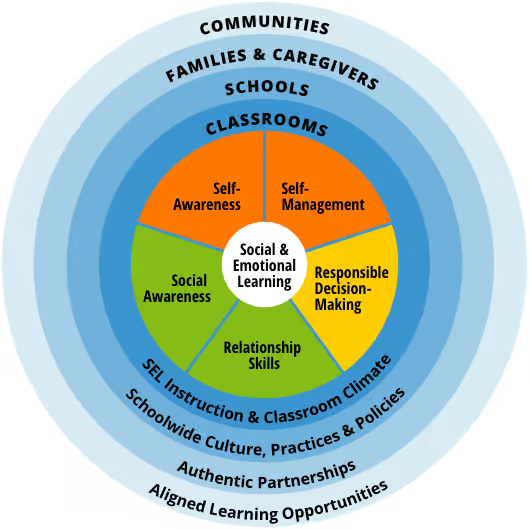
“SEL is the process through which students learn the skills to manage emotions, build relationships, and make responsible decisions.”

Conscious Discipline is a trauma‑informed, brain‑based SEL and classroom management program. It teaches students and adults how to regulate emotions, build connections, and solve problems.
Why I Use Conscious Discipline
Conscious Discipline is more than a behavior program—it is a relationship-based approach that teaches self-regulation, emotional intelligence, and problem-solving. Instead of focusing on punishment, students learn skills that help them become successful both inside and outside the classroom.
As an educator, I believe children learn best when they feel safe, connected, and valued.
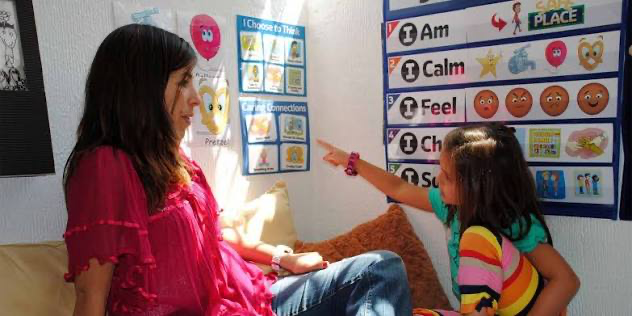
Safe Place
A Safe Place is not a time-out area. It is a space where students practice self-regulation using breathing strategies, emotional identification, and calming tools until they are ready to rejoin instruction.
Resources
Websites
Classroom and Behavior Management
“Behavior is a form of communication. Our job is to teach children the skills they need to be successful.” — Conscious Discipline
Effective classroom management fosters a safe, positive, and engaging learning environment where all students can succeed. By building strong relationships, clearly teaching expectations, and using evidence-based practices, teachers can prevent many behavior problems before they happen.

Videos
Classroom Design & Learning Environment
Designing an Inclusive Learning Environment
Research shows that intentionally designed classrooms improve student engagement, collaboration, behavior, and academic achievement. These spaces support Universal Design for Learning (UDL) by removing barriers and providing multiple ways for students to learn, engage, and demonstrate


My Classroom Wish Lists
Every classroom is unique, and high-quality learning environments develop over time. These wish lists include resources that support literacy, STEM, social-emotional learning, flexible seating, and hands-on experiences. Donations directly influence student engagement by providing materials that encourage collaboration, creativity, and equitable access to education.
Help Build Our Classroom
My Amazon Classroom Wish List features classroom supplies and instructional materials that help create a fun, organized, and inclusive learning environment. Resources include classroom organization, flexible seating, STEM materials, literacy resources, technology accessories, and social-emotional learning tools.
Invest in Student Learning
Through DonorsChoose, I establish classroom projects that give students meaningful learning experiences and resources beyond the school's budget. Donations help fund classroom libraries, STEM materials, flexible seating, technology, science investigations, and other innovative learning opportunities.
Every Student Belongs
A well-designed classroom is more than an organized space, it is an environment where every student feels safe, valued, challenged, and supported. Through intentional design, evidence-based instructional practices, and strong relationships, educators create classrooms where all learners have opportunities to succeed.
Create Your Own Website With Webador