
Every Learner - Every Day
Building inclusive classrooms where ALL students can succeed
Teaching in an inclusive classroom involves recognizing that all students learn differently. Using differentiation and Universal Design for Learning (UDL) helps teachers develop lessons that provide every student with opportunities to succeed. These resources offer strategies, tools, and ideas to support students with diverse strengths, interests, learning styles, and abilities.
Differentiation Resources for the Inclusive Classroom
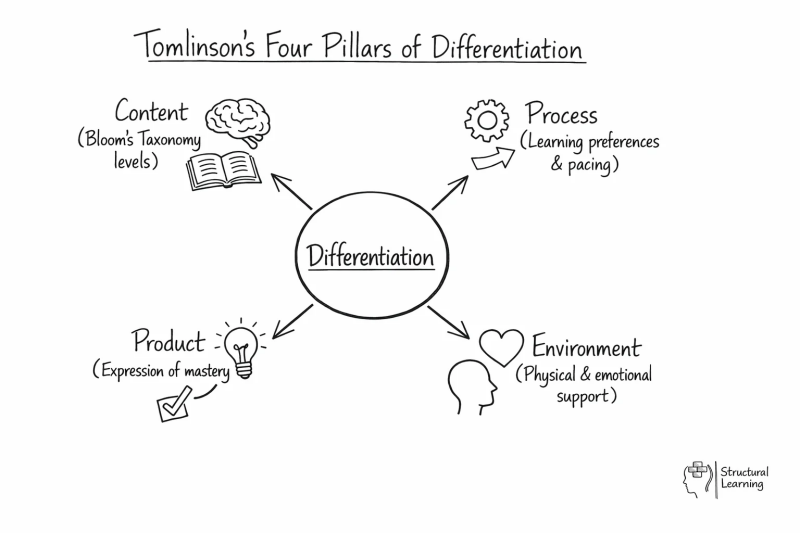
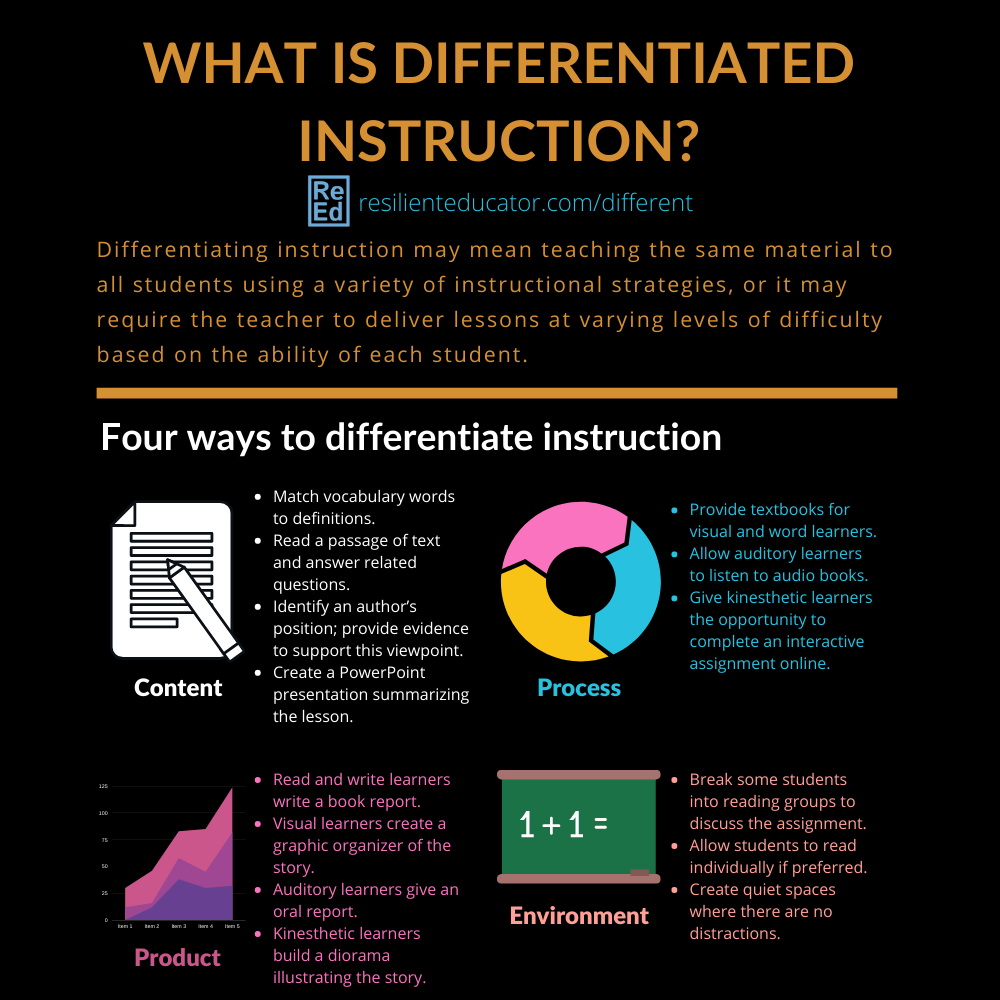
Differentiated instruction means changing teaching methods, activities, and assessments to meet each student's unique needs. Because students have different strengths, interests, learning styles, and readiness levels, differentiation makes sure every learner has a chance to succeed.

" Fair isn't everyone getting the same thing. Fair is everyone getting what they need to succeed."- Rick Riordan
Differentiate Instructional Elements
Strategies
Choice Board

Graphic Organizer

Flexible Seating

Small Group

Resources
Videos
“Differentiation is giving students multiple options for taking in information and making sense of ideas.” — Carol Ann Tomlinson
Universal Design for Learning (UDL)
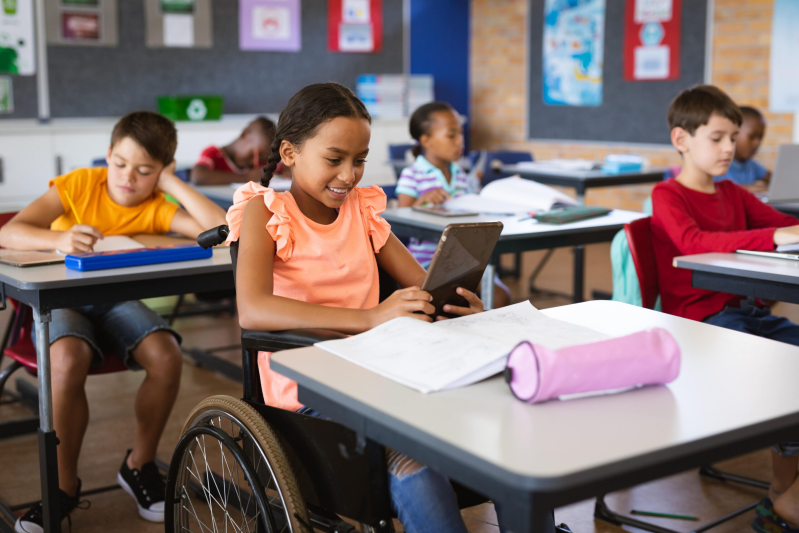
Universal Design for Learning (UDL) is a framework that helps teachers plan instruction that is accessible to all students. UDL recognizes that learners have different backgrounds, strengths, and needs. Instead of expecting students to fit one teaching method, UDL encourages teachers to provide flexible learning options that support all learners.
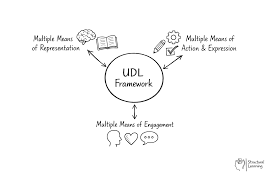
The 3 Principles of UDL
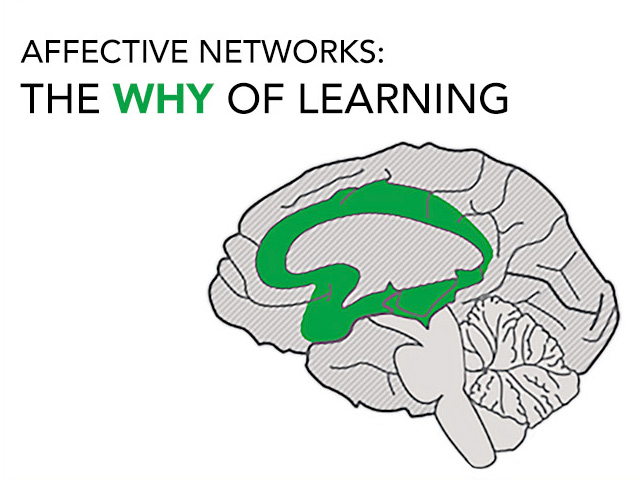
Students are motivated in various ways. Offering choices, collaboration, and meaningful activities helps students remain engaged and interested in learning.
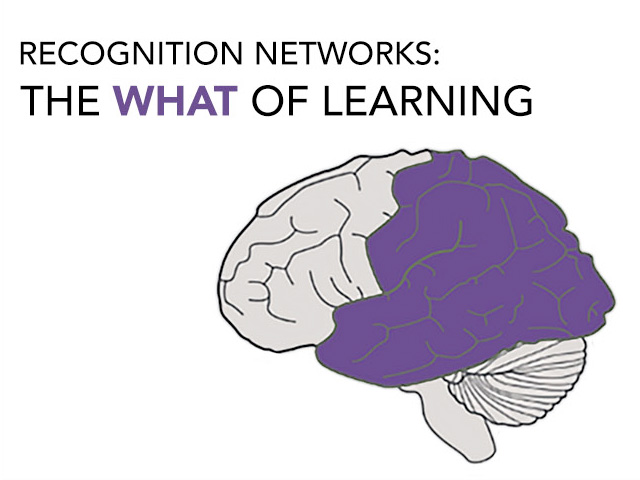
Information should be presented in various formats, such as videos, visuals, audio supports, and hands-on activities, so students can better understand new concepts.
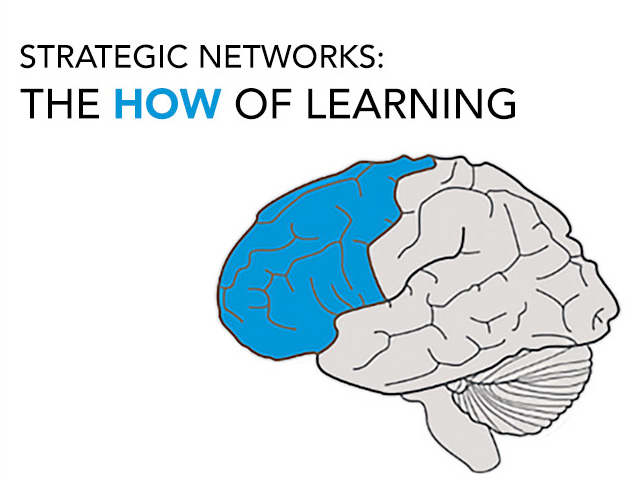
Students should have multiple ways to demonstrate what they have learned through writing, presentations, projects, technology, or discussions.
Strategies
Using technology to access information

Hands-on activities and collaboration

Different ways to express learning

Choices lead to more engagement

Create Your Own Website With Webador