
Content Area Resources
Evidence-Based Instructional Resource
This page offers evidence-based resources, instructional tools, videos, downloadable materials, and research organized by content area. These resources support effective, inclusive teaching and will remain valuable references throughout my teaching
Explore Content Area Resources
Explore evidence-based instructional resources organized by content area. Each section includes professional organizations, instructional strategies, research, downloadable resources, videos, and classroom tools that support engaging, inclusive instruction.

English Language Arts
Reading and writing resources that support phonics, fluency, comprehension, vocabulary, structured literacy, handwriting, and written expression.

Mathematics
Evidence-based mathematics resources focused on conceptual understanding, mathematical reasoning, problem solving, and standards-based instruction.

Science
Inquiry-based science instruction, STEM learning, engineering design, and classroom resources that promote scientific thinking.

Social Studies
Resources supporting civics, history, geography, economics, inquiry, and primary source analysis.

Assessment
Assessment tools, progress monitoring, equitable grading, accommodations, and evidence-based assessment practices.

English Language Arts
Reading • Phonics • Fluency • Comprehension • Writing
Literacy instruction provides the foundation for lifelong learning. The resources below support evidence-based practices in phonics, fluency, reading comprehension, and writing while promoting equitable learning opportunities for all students.
Reading
Writing
Phonics
- UFLI Foundations
- Structured Literacy
- Decodable Texts
- Sound Walls
Fluency
- Repeated Reading
- Reader’s Theater
- Oral Reading Fluency
- Partner Reading
Comprehension
- Story Maps
- Graphic Organizers
- Close Reading
- Reciprocal Teaching
- Writer’s Workshop
- Handwriting
- Cursive
- Sentence Construction
- Editing
- Written Expression
Professional Learning
This professional learning video highlights the principles of Structured Literacy and evidence-based reading instruction. It demonstrates how explicit, systematic teaching supports students in developing strong phonics, fluency, reading comprehension, and writing skills while meeting the diverse needs of all learners.
Structured Literacy: Evidence-Based Reading Instruction
Professional Learning Resource
“Effective literacy instruction empowers every student to become a confident reader, writer, and lifelong learner.”
Mathematics
Conceptual Understanding • Problem Solving • Mathematical Reasoning
Mathematics instruction develops conceptual understanding, procedural fluency, and problem-solving skills through engaging, standards-based learning. The resources below support evidence-based mathematics instruction that promotes critical thinking, mathematical reasoning, and real-world application for all learners.

Number Sense
- Place Value
- Number Operations
- Fractions & Decimals
- Mathematical Vocabulary
Problem Solving
- Mathematical Modeling
- Multi-Step Word Problems
- Number Talks
- Real-World Applications
Mathematical Practices
- Reasoning Abstractly & Quantitatively
- Constructing Mathematical Arguments
- Using Mathematical Tools Strategically
- Looking for Patterns & Structure
Instructional Strategies
- Hands-On Manipulatives
- Visual Models
- Small-Group Instruction
- Math Centers
- Differentiated Instruction
Professional Learning
This professional learning video demonstrates how Universal Design for Learning (UDL) principles can be integrated into mathematics instruction to promote conceptual understanding, student engagement, mathematical reasoning, and equitable access for diverse learners.
UDL Guidelines in Practice: Grade 1 Mathematics
National Center on Universal Design for Learning
“Mathematics is not about memorizing procedures—it is about making sense of numbers, patterns, and the world around us.”

Science
Inquiry • STEM • Engineering Design • Scientific Investigation
Science instruction encourages curiosity, critical thinking, and problem-solving through hands-on exploration and inquiry. The resources below support evidence-based science instruction, STEM learning, engineering design, scientific investigation, and equitable access to high-quality science experiences for all students.
Scientific Inquiry
- Asking Questions
- Planning Investigations
- Collecting & Analyzing Data
- Developing Explanations
Life Science
- Ecosystems
- Plants & Animals
- Adaptations
- Human Body Systems
Earth & Space Science
- Weather & Climate
- Earth’s Systems
- Natural Resources
- Space Science
Physical Science
- Matter
- Energy
- Forces & Motion
- Sound & Light
Engineering & STEM
- Engineering Design Process
- STEM Challenges
- Computational Thinking
- Design Thinking
Instructional Strategies
- Hands-On Investigations
- Inquiry-Based Learning
- Science Notebooks
- Cooperative Learning
- Phenomenon-Based Instruction
Professional Learning
This professional learning video highlights evidence-based science instruction that encourages inquiry, hands-on investigation, and critical thinking. By engaging students in authentic scientific practices, educators can foster curiosity, problem-solving, and a deeper understanding of the natural world.
Inquiry-Based Science Instruction
Professional Learning Resource
“Science is a way of thinking much more than it is a body of knowledge.”
— Carl Sagan
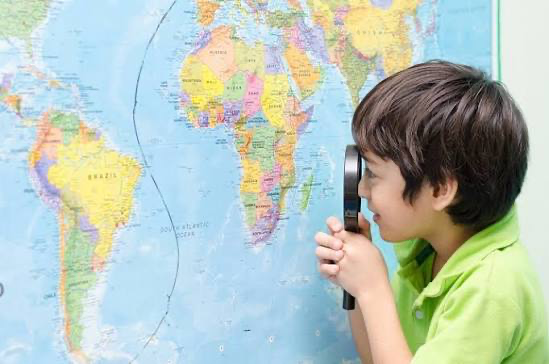
Social Studies
History • Geography • Civics • Econom
Social studies helps students understand their role as informed, responsible citizens by exploring history, geography, civics, economics, and culture. The resources below support evidence-based instruction that promotes inquiry, critical thinking, civic responsibility, and meaningful connections between the past, present, and future.
History
- Historical Thinking
- Timelines
- Primary & Secondary Sources
- Historical Perspectives
Geography
- Maps & Globes
- Physical & Human Geography
- Regions
- Geographic Inquiry
Civics & Government
- Rights & Responsibilities
- Citizenship
- Government Structure
- Civic Participation
Economics
- Goods & Services
- Producers & Consumers
- Financial Literacy
- Decision Making
Professional Learning
This professional learning video demonstrates evidence-based social studies instruction that promotes inquiry, historical thinking, civic engagement, and the use of primary sources to help students make meaningful connections between the past and present. These strategies encourage students to think critically, ask questions, and become informed, responsible citizens.
Inquiry-Based Social Studies Instruction
Professional Learning Resource
“The more you know about the past, the better prepared you are for the future.”— Theodore Roosevelt
Assessment Resources
Assessment • Progress Monitoring • Equitable Grading
Assessment is an essential part of the teaching and learning process. Effective assessment provides meaningful feedback, guides instruction, monitors student progress, and supports equitable learning opportunities for every student. The resources below promote evidence-based assessment practices that help educators make informed instructional decisions and support the success of all learners.
Formative Assessment
- Exit Tickets
- Classroom Discussions
- Observations
- Student Self-Assessments
Summative Assessment
- Unit Assessments
- Projects & Performance Tasks
- Presentations
- End-of-Unit Assessments
Progress Monitoring
- Curriculum-Based Measurements (CBMs)
- DIBELS
- Running Records
- Data Collection & Analysis
Equitable Assessment Practices
- Accommodations
- Modifications
- Differentiated Assessment
- Personalized Grading Plans
Professional Learning
This professional learning video highlights evidence-based assessment practices that help educators monitor student progress, provide meaningful feedback, and use assessment data to guide instructional decisions. Effective assessment supports student growth while ensuring equitable learning opportunities for all learners.
Assessment for Learning: Using Assessment to Improve Instruction
Professional Learning Resource
Create Your Own Website With Webador