Understanding IDEA Eligibility Categories
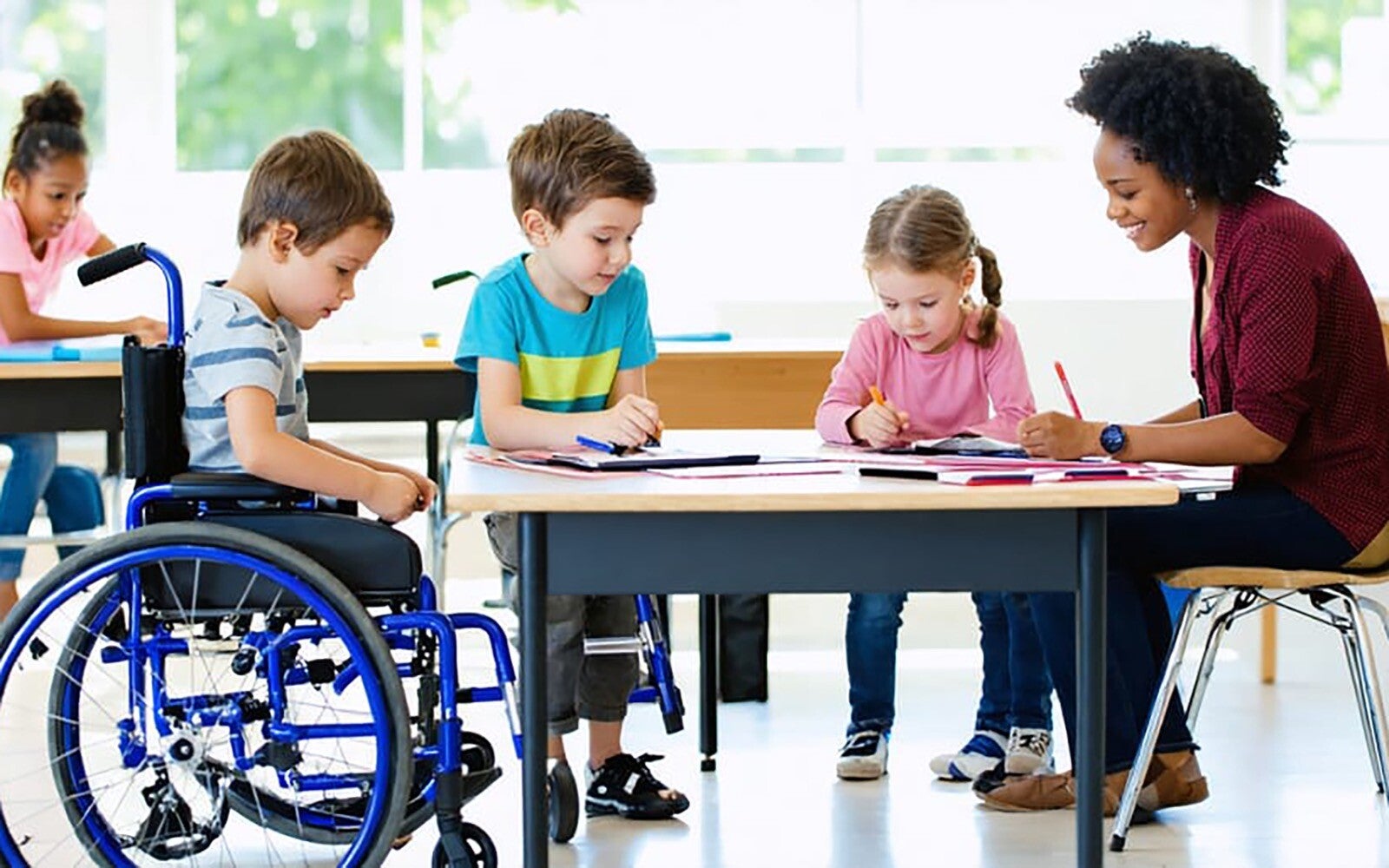
Under the Individuals with Disabilities Education Act (IDEA), students may qualify for special education services in one of thirteen eligibility categories. Understanding these disabilities, eligibility standards, and effective support strategies helps educators create inclusive learning environments where all students can succeed. This section offers characteristics, eligibility criteria, resources, videos, and classroom supports for each disability category.
“Every student can learn, just not on the same day or in the same way.”
— George Evans
Academic Learning
Students with academic learning differences may require specialized instruction and supports to access grade-level curriculum and demonstrate their strengths. These eligibility categories recognize that learning occurs in various ways and that personalized supports can help students develop academic, cognitive, and adaptive skills. Acknowledging these traits helps educators design meaningful learning experiences that foster growth, independence, and success for all learners.


Communication and Sensory Supports
Communication and sensory differences affect how students receive information and engage with others. Through accommodations, assistive technology, and specialized instruction, educators can help students access learning environments and participate fully in school.


Hearing and Vision Supports
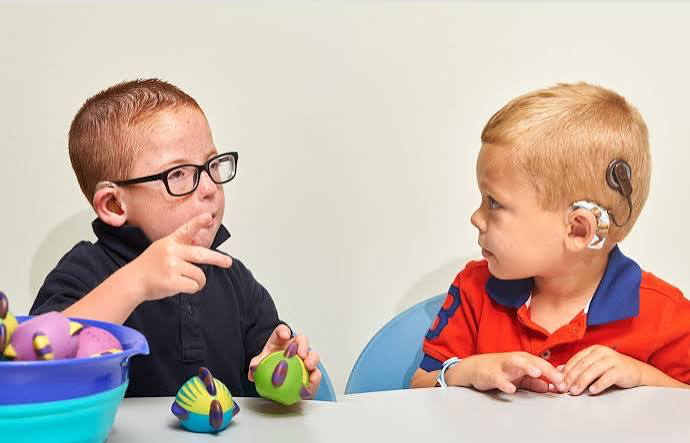
Students with hearing and vision differences may need specialized services and accommodations to access communication, instruction, and their learning environment. Inclusive practices foster independence, participation, and meaningful connections with peers.


Social, Emotional, and Health Supports
Physical health, emotional well-being, and neurological conditions can greatly influence learning and participation in school. These categories emphasize the need for collaboration, positive supports, and tailored services that promote student success.


Physical and Developmental Supports
Some students need specialized services due to physical disabilities or multiple disabilities. These supports help ensure access to learning, promote independence, and create opportunities for meaningful participation in school and the community.


Create Your Own Website With Webador